

Related products
-
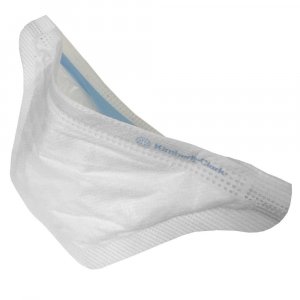
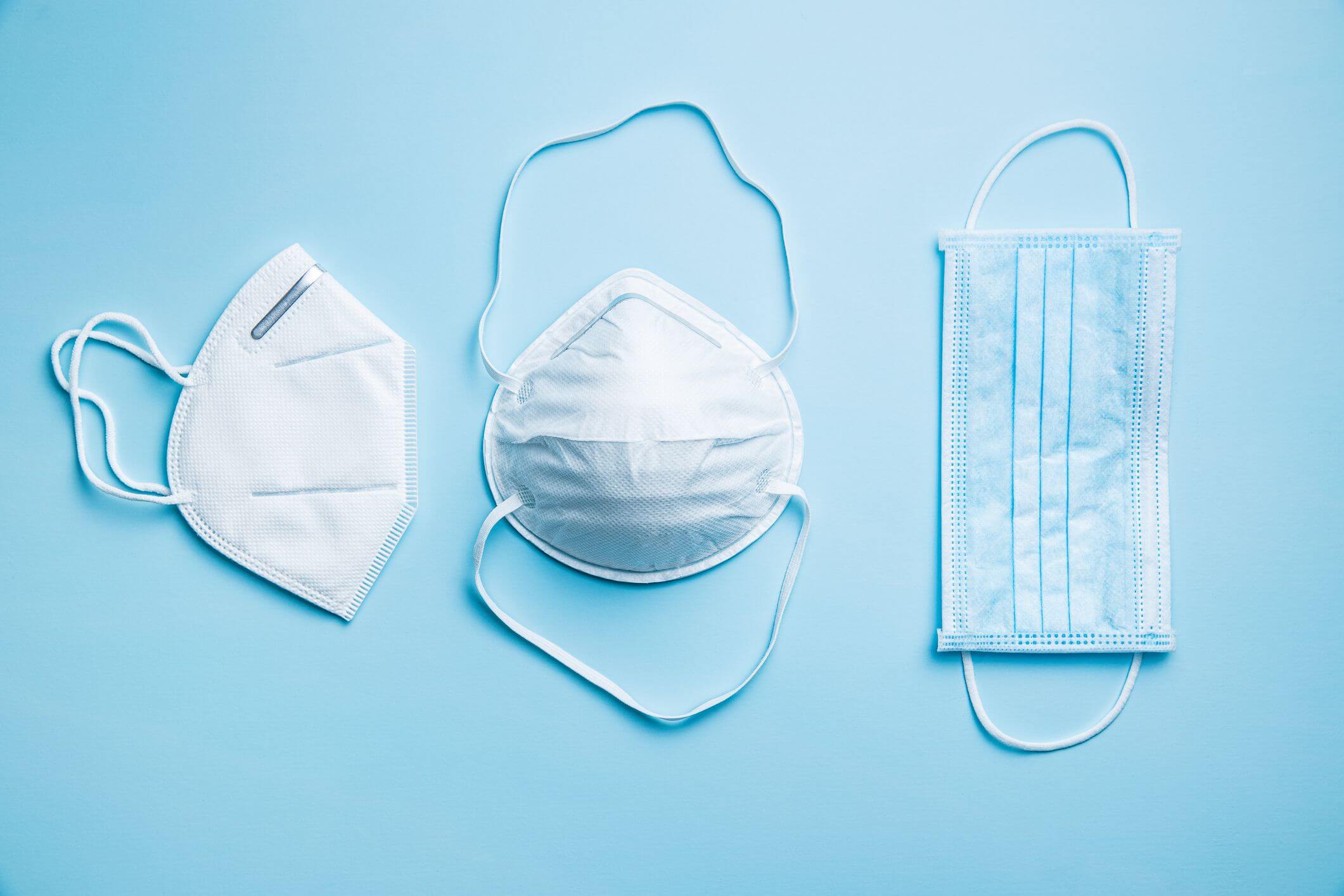
N95 Fluidshield Particulate Filter Respirator & Surgical Mask
H200 N95 Particulate Filter Respirator and Surgical Mask with
SO Soft Lining, White, Regular
Level 2 Fluidshield
Duckbill Shaped Mask
NIOSH approvedN95 Particulate Filter Respirators and Surgical Masks are designed to
provide an effective facial fit, as required for proper respiratory
protection against airborne pathogens.Properties:
Provides 98% filtration efficiency of 0.1 micron particles.
Bacterial Filtration Efficiency (BFE): >98%
Splash Resistance of 120 mmHg
Colour: WhiteMain Materials:
Outside layer: Spunbound (Polypropylene), White
First inner layer: Respirator Filter Media (Polypropylene), electret treated
Second inner layer: Respirator Filter Media (Polypropylene), electret treated
Inside layer: Bicomponent (PET/Polyester), White
Nose piece: Aluminum Wire
Elastic bands: Polyurethane
Does not contain natural rubber latex.
Does not contain DEHPSterilisation:
This product is non-sterile.
This product cannot be sterilized.Please note:
This packet of 5 has been repackaged from its original box of 50.What’s in the box
5 x Halyard N95 Fluidshield Level 2 Masks -
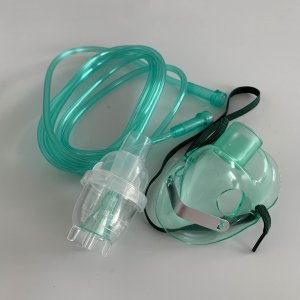
Nebulizer Mask 2M Tubing
Nebulizer Mask is compose by Aerosol mask, oxygen tubing and nubulizer chambler (medication cup). The operating principle is that it atomizes medication into liquid particle and then delivering it into lungs during breathing.
Features
Soft, clear Aerosol Mask with anatomical form is ideal for long term use.
Gently rolled, feathered edges with integrated nose bridge for extra comfort.
Swivel connector for convenience of nebulization in horizontal and vertical position ensuring patient comfort.
Larger surface area provided by unique convex cone design, ensures maximum capillary action and eliminates medicinal wastage.
Greater nebulization rate, nebulizes 3cc medicine within 10 minutes. -
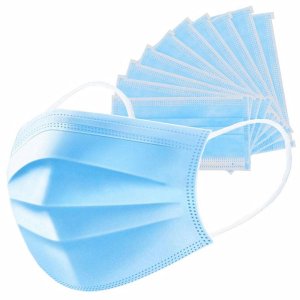
Surgical Mask 3 Ply With Loops
This 3Ply Disposable Face Mask will help you stay protected against airborne troubles such as pollen, dust and dander, as well as protection from pollution, chemicals, fluids and germs and will provide protection against the spread of infectious (large-particle) droplets that are transmitted by close contact and generally travel short distances from infected patients, coughing or sneezing. Designed for a secure fit, the lightweight breathing mask has an easy-to-wear, 3 ply construction and comfortable elastic earloop, extra-soft and eliminates pressure to the ears. It can be used in dusting, travelling, kitchen/crowded areas, as well as factories, work environments and public spaces. This disposable Face Mask (Mouth Cover) is intended for protection against non-toxic and dust particles. Each box includes 50 face masks, with high bacterial filtration efficiency and the one-size-fit-all design, provides comfort and ensures individual protection and safety at all times.
Perfect for home, work and everyday use to avoid dust, or any other areas where protection might be required, such as hospitals, airports, offices, public transportation, etc. Also suitable to wear during Flu/Allergy season.
Features:
– Hypoallergenic
– Fluid resistant
– Very low resistance to breathing
– Nose bar adaptable
– High filtration capacity
– Perfect fitting
– 3Ply for excellent protection
– Softer Latex-free elastic ear loop
– Super easy to pack for convenience, travel and commuting
– 50 Piece
– Melt-blown grade 90+/95/99What’s in the box
50 Disposable Face Masks packaged in box -
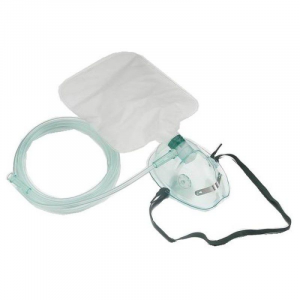
Non rebreather Oxygen Mask 2M Tubing & Bag
What is a nonrebreather mask?
A non-rebreather mask is a medical device that helps deliver oxygen in emergency situations. It consists of a face mask connected to a reservoir bag that’s filled with a high concentration of oxygen. The reservoir bag is connected to an oxygen tank.This is a non-rebreather mask available in either a size for an adult or child. When used with the attached reservoir bag, this product lets you administer high concentrations of oxygen. Non-rebreather masks also prevent the breathing of outside air, that is, air that’s not coming from the included reservoir bag. This then gives you more concentrated oxygen to help make breathing easier.
2m Oxygen Tube – Adult.
Integrated non re-breathing bag.
Latex-free.
Soft anatomical form.
Elongated shape for more comfortable fit.
Elastic strap and adjustable nose clip.